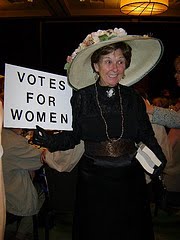
I am very excited about my new book Transforming Power: From the Personal to the Political, which is coming out in early March.
Transforming Power is the result of the last two or three years of my travels around the world looking for new approaches to political and social action and my life time of experience as an activist. I am hoping it will inspire dialogue and action about the new paths to social change we need to transform this planet and create a better world.
You can get a preview of the book at our very cool new web site www.transformingpower.ca.
In Transforming Power, veteran activist Judy Rebick champions new ways of achieving political goals by emphasizing co-operation and consensus over confrontation and partisanship.
Rebick argues that today's combination of environmental crisis, globalization, and rapid technological innovation is producing profound new ideas about social and political life, and that this groundswell is truly the vanguard of a global movement to change the way we live our lives, from the ground up.
Judy Rebick is the author of Ten Thousand Roses: The Making of a Feminist Revolution and the CAW Sam Gindin Chair in social justice and democracy at Ryerson University. She lives in Toronto.
Friday, February 27, 2009


Wednesday, February 25, 2009
A Community Changes
Ma-nee Chacaby is a Native elder and teacher. Here she reminisces about the time her community encountered white culture.
I will write about my community, where I grew up in the bush.
Once upon a time, when I was young and beautiful, I lived with my kokum. Her name was Tannie Chacaby. She raised me. Her teachings are the reason I became the woman I am today. I miss her sometimes because I have nobody like her in my life.
She was a big part of the community. People would come from faraway places to meet my kokum. She had many talents and was a very good story teller. She was a wise old woman.
She would have gatherings once a month to talk to the community about her visions of our people’s future. She would say, "something is happening. Big changes are coming to our community. You people have to be prepared. Be ready to have people come from faraway places. They will demand things from us. We have to say no if we want to survive and protect our children. People will want our children. I see things that will hurt our community and we have to be strong and work together."
But some people said, “aweeee, she is just getting too old. She does not know what she’s talking about.” They would laugh and would say, "the old woman will say things to protect the scrawny little child she’s raising."
I would sit and watch people put my kokum down. I thought when I get older I will protect my kokum.
One summer, sometimes after Kokum told everyone what was going to happen, people started to arrive from that big black beast, the train. The train was as black as black could be. Men with funny hats and some women with funny dresses and funny hats got off the the black beast. I remember one man with two big giant dogs, the first time I ever saw dogs bigger than any dogs in our community.
Things were coming off the train. Big machinery would take stuff off the train, then get it on those ugly big-arm things. Those were bulldozers. They were here to take the forest down, so I heard. People were talking about big money happening. Some people got boxes of wine, beer, liquor, you name it. Our community was getting rich.
People in our community were happy talking about big money. I never knew what money was. I asked my kokum what money was. She said, "it’s a paper that drives people crazy and make them do crazy things. Sure they buy food but there is other stuff that makes them crazy when they have paper money and buy those boxes off that train." I tried to figure how I could help the community and stop them from buying boxes of that crazy stuff.
The community was going crazy leaving their children behind with no baby sitter and just going crazy. There were so many people not far away from our community. We could hear things going on in the bushes so I decided to go check things out. I was little but big enough to get around. People were cutting the trees. Piles and piles of tree limbs just being tossed off to one side and some men were piling logs.
I went back home. I told my kokum what I saw. She had tears in her eyes rolling down. She tried talking to the community but they were already acting very crazy. Some people would listen but nobody was serious, just happy to make money and buy those crazy boxes that made them go crazy. My kokum said, “I really don’t want to live much longer as I feel my time will come soon and I have to leave the community. You have to be strong. You are a special person. Don’t ever forget that. "
And that season when the leaves were falling, my kokum called me to come to her. She needed to talk. She said she was leaving to go somewhere to try be with her spiritual advisor. She needed to be somewhere quiet where she would make her life lighter. She would be back before white flakes came down. “This is the time for me be gone while the leaves are falling. You can gather them and pile them beside the wall. The community will need then for the homes that are not ready for white flakes.”
I just did what I was told. I had a rough life after. People were mean but I managed to survive. The community was getting bigger. People from Faraway places were here to stay.
I will write about my community, where I grew up in the bush.
Once upon a time, when I was young and beautiful, I lived with my kokum. Her name was Tannie Chacaby. She raised me. Her teachings are the reason I became the woman I am today. I miss her sometimes because I have nobody like her in my life.
She was a big part of the community. People would come from faraway places to meet my kokum. She had many talents and was a very good story teller. She was a wise old woman.
She would have gatherings once a month to talk to the community about her visions of our people’s future. She would say, "something is happening. Big changes are coming to our community. You people have to be prepared. Be ready to have people come from faraway places. They will demand things from us. We have to say no if we want to survive and protect our children. People will want our children. I see things that will hurt our community and we have to be strong and work together."
But some people said, “aweeee, she is just getting too old. She does not know what she’s talking about.” They would laugh and would say, "the old woman will say things to protect the scrawny little child she’s raising."
I would sit and watch people put my kokum down. I thought when I get older I will protect my kokum.
One summer, sometimes after Kokum told everyone what was going to happen, people started to arrive from that big black beast, the train. The train was as black as black could be. Men with funny hats and some women with funny dresses and funny hats got off the the black beast. I remember one man with two big giant dogs, the first time I ever saw dogs bigger than any dogs in our community.
Things were coming off the train. Big machinery would take stuff off the train, then get it on those ugly big-arm things. Those were bulldozers. They were here to take the forest down, so I heard. People were talking about big money happening. Some people got boxes of wine, beer, liquor, you name it. Our community was getting rich.
People in our community were happy talking about big money. I never knew what money was. I asked my kokum what money was. She said, "it’s a paper that drives people crazy and make them do crazy things. Sure they buy food but there is other stuff that makes them crazy when they have paper money and buy those boxes off that train." I tried to figure how I could help the community and stop them from buying boxes of that crazy stuff.
The community was going crazy leaving their children behind with no baby sitter and just going crazy. There were so many people not far away from our community. We could hear things going on in the bushes so I decided to go check things out. I was little but big enough to get around. People were cutting the trees. Piles and piles of tree limbs just being tossed off to one side and some men were piling logs.
I went back home. I told my kokum what I saw. She had tears in her eyes rolling down. She tried talking to the community but they were already acting very crazy. Some people would listen but nobody was serious, just happy to make money and buy those crazy boxes that made them go crazy. My kokum said, “I really don’t want to live much longer as I feel my time will come soon and I have to leave the community. You have to be strong. You are a special person. Don’t ever forget that. "
And that season when the leaves were falling, my kokum called me to come to her. She needed to talk. She said she was leaving to go somewhere to try be with her spiritual advisor. She needed to be somewhere quiet where she would make her life lighter. She would be back before white flakes came down. “This is the time for me be gone while the leaves are falling. You can gather them and pile them beside the wall. The community will need then for the homes that are not ready for white flakes.”
I just did what I was told. I had a rough life after. People were mean but I managed to survive. The community was getting bigger. People from Faraway places were here to stay.
Monday, February 23, 2009
HUMBER SUMMER SCHOOL FOR WRITERS
The Humber School for Writers is both practical and inspirational - a place that provides a supportive coterie and the tools to improve your writing. The dates are July 10 to July 16, 2009. Residence is available. Humber College is on the lakeshore on the western end of Toronto.
Consider this porgram as jet fuel for the literary mind.Since 1992, the Humber School for Writers has distinguished itself as a leading centre for the study of creative writing. Its track record speaks for itself: more than 260 of our graduates have gone on to publish books of fiction, non-fiction, or poetry. Several have been nominated for literary awards, and a few have gone on to win.
The week-long workshop consists of two full days and four afternoons of lectures, five mornings of classes, one evening reading, lunches, and a closing banquet. "One of the best programs of its kind in North America."The Globe and Mail
This summer, the faculty includes:Martin Amis,Wayson Choy,Bruce Jay Friedman,Isabel Huggan,Rachel Kushner,Carole Langille,Alistair MacLeod,John Metcalf,David Mitchell,Kim Moritsugu,Nino Ricci,Marsha Skrypuch,Miriam Toews,Guy Vanderhaeghe,Erika de Vasconcelos.
Registration Fee By June 10, Canadian residents: $949 (Cdn)
For details, please visit the website at www.creativeandperformingarts.humber.ca/writers or
For further information, please call 416-675-6622 ext. 3449, or send e-mail to hilary.higgins@humber.ca.
Address your application to:Hilary HigginsThe Humber School for Writers Humber Institute of Technology & Advanced Learning 3199 Lake Shore Blvd. West
Consider this porgram as jet fuel for the literary mind.Since 1992, the Humber School for Writers has distinguished itself as a leading centre for the study of creative writing. Its track record speaks for itself: more than 260 of our graduates have gone on to publish books of fiction, non-fiction, or poetry. Several have been nominated for literary awards, and a few have gone on to win.
The week-long workshop consists of two full days and four afternoons of lectures, five mornings of classes, one evening reading, lunches, and a closing banquet. "One of the best programs of its kind in North America."The Globe and Mail
This summer, the faculty includes:Martin Amis,Wayson Choy,Bruce Jay Friedman,Isabel Huggan,Rachel Kushner,Carole Langille,Alistair MacLeod,John Metcalf,David Mitchell,Kim Moritsugu,Nino Ricci,Marsha Skrypuch,Miriam Toews,Guy Vanderhaeghe,Erika de Vasconcelos.
Registration Fee By June 10, Canadian residents: $949 (Cdn)
For details, please visit the website at www.creativeandperformingarts.humber.ca/writers or
For further information, please call 416-675-6622 ext. 3449, or send e-mail to hilary.higgins@humber.ca.
Address your application to:Hilary HigginsThe Humber School for Writers Humber Institute of Technology & Advanced Learning 3199 Lake Shore Blvd. West
Saturday, February 21, 2009
SNOWWOMAN
By Erin Pamela Stewart
This winter I wanted to build one with
wings
We'd teach her to fly
not caring, come March or April
a rain of our snowwoman would fall
from the sky.
Instead
winter came
and just before the snow fell
and you told me, voice as cold as the
weather
I do not love you.
Now
anything I build
well be frozen on the ground.
This winter I wanted to build one with
wings
We'd teach her to fly
not caring, come March or April
a rain of our snowwoman would fall
from the sky.
Instead
winter came
and just before the snow fell
and you told me, voice as cold as the
weather
I do not love you.
Now
anything I build
well be frozen on the ground.
Friday, February 20, 2009
Recent Aboriginal Titles
News from the Northern Woman's Bookstore
FOLLOWING NIMISHOOMIS is a fascinating biography of a Northwestern Ontario woman, Dedibaayaanimanook Sarah Keesick Olsen. FOLLOWING NIMISHOOMIS provides a detailed history of the Namegosibing Trout Lake community, the ancestral home of Dedibaayaanimanook, where she gained firsthand knowledge about traditional teachings and ways of life. While witnessing the encroaching values of European society; raising a family with a European partner; and surrounded by this dominant society, Dedibaayaanimanook maintained the values of her people and gently taught her children what she has learned through the traditions of her parent and grandparents.
Lovingly told by her daughter Helen Agger, FOLLOWING NIMISHOOMIS records the life of this remarkable elder and knowledge keeper, and is an important story for all Canadians but most particularly for us in Northwestern Ontario.
Ruby Slipperjack’s most recent novel, DOG TRACKS, is also a tale of Anishinawbe traditions, history and culture. Abby is having trouble fitting in at Bear Creek Reserve. After living most of her life in town with supportive grandparents, it’s definitely a transition moving back to the reserve. In DOG TRACKS, Ruby Slipperjack writes the story of those who return to the reserve and rediscover their culture. DOG TRACKS is a tender story of an uprooted girl who finds home and self, (Appropriate for both young teen and adult readers.)
New children’s books include: JENNELI’S DANCE, by Elizabeth Denny, illustrated by Christopher Auchter, is a story that instills a sense of pride in the Native culture, and deals with issues of overcoming low self-esteem.
A beautifully illustrated story I LIKE WHO I AM, by Tara White, illustrated by Lee Claremont, explores issuse of bullying and belonging as (a young girl) looks for acceptance in her new community.
BOOG THE BUG, by Cynthia Genaille ... this enchanting story with its wonderfully imaginative illustrations by Diane Lucas was created to help children deal with divorce.
GOOSE GIRL, by Joe McLellan and Martine McLellan, illustrated by Rhian Brynjolson is a gentle story of love, faith and letting go.
GRANNY’S GIANT BANNOCK, by Brenda Wastasecoot, illustrated by Kimberly McKay Fleming “a little miscommunication between English speaking Larf and his Cree speaking grandmother leads to hilarious results when a giant, sprawling banncok threatens to take over the town. Beyond its antic humour, this is a tender story about the need to listen.”
Back to adult fiction, be sure to read Louise Erdrich’s most recent novel THE PLAGUE OF DOVES. Margaret thinks its her best yet, even surpassing The Painted Drum.
We have discovered a wonderful Aboriginal Education publisher NINGWAKWE LEARNING PRESS, and we’re carrying many of their books and can order others.
Check www.ningwakwe.on.ca for their catalogue and let us know what you would like us to order.
FOLLOWING NIMISHOOMIS is a fascinating biography of a Northwestern Ontario woman, Dedibaayaanimanook Sarah Keesick Olsen. FOLLOWING NIMISHOOMIS provides a detailed history of the Namegosibing Trout Lake community, the ancestral home of Dedibaayaanimanook, where she gained firsthand knowledge about traditional teachings and ways of life. While witnessing the encroaching values of European society; raising a family with a European partner; and surrounded by this dominant society, Dedibaayaanimanook maintained the values of her people and gently taught her children what she has learned through the traditions of her parent and grandparents.
Lovingly told by her daughter Helen Agger, FOLLOWING NIMISHOOMIS records the life of this remarkable elder and knowledge keeper, and is an important story for all Canadians but most particularly for us in Northwestern Ontario.
Ruby Slipperjack’s most recent novel, DOG TRACKS, is also a tale of Anishinawbe traditions, history and culture. Abby is having trouble fitting in at Bear Creek Reserve. After living most of her life in town with supportive grandparents, it’s definitely a transition moving back to the reserve. In DOG TRACKS, Ruby Slipperjack writes the story of those who return to the reserve and rediscover their culture. DOG TRACKS is a tender story of an uprooted girl who finds home and self, (Appropriate for both young teen and adult readers.)
New children’s books include: JENNELI’S DANCE, by Elizabeth Denny, illustrated by Christopher Auchter, is a story that instills a sense of pride in the Native culture, and deals with issues of overcoming low self-esteem.
A beautifully illustrated story I LIKE WHO I AM, by Tara White, illustrated by Lee Claremont, explores issuse of bullying and belonging as (a young girl) looks for acceptance in her new community.
BOOG THE BUG, by Cynthia Genaille ... this enchanting story with its wonderfully imaginative illustrations by Diane Lucas was created to help children deal with divorce.
GOOSE GIRL, by Joe McLellan and Martine McLellan, illustrated by Rhian Brynjolson is a gentle story of love, faith and letting go.
GRANNY’S GIANT BANNOCK, by Brenda Wastasecoot, illustrated by Kimberly McKay Fleming “a little miscommunication between English speaking Larf and his Cree speaking grandmother leads to hilarious results when a giant, sprawling banncok threatens to take over the town. Beyond its antic humour, this is a tender story about the need to listen.”
Back to adult fiction, be sure to read Louise Erdrich’s most recent novel THE PLAGUE OF DOVES. Margaret thinks its her best yet, even surpassing The Painted Drum.
We have discovered a wonderful Aboriginal Education publisher NINGWAKWE LEARNING PRESS, and we’re carrying many of their books and can order others.
Check www.ningwakwe.on.ca for their catalogue and let us know what you would like us to order.
Sunday, February 15, 2009
Book Launch, Jean Morrison
Jean Morrison's new book
Labour Pains: Thunder Bay Working Class During the Wheat Boom Era
Sunday April 26 at 2 p.m.
Thunder Bay Museum
Friday, February 13, 2009
Martial Arts by Keith Johnson,part 2
You can access part 1 by scrolling down or by clicking
http://literarythunderbay.blogspot.com/search/label/Keith%20Johnson
In Italy, during World War II, Martin and team are ordered to capture a monastery on a hill.
In response to queries from his mates, Matin explained he had found what he thought might be Epsom salts or some facsimile thereof. Its taste reminded him of the grand old magnesium sulphate so common to his Saskatchewan home. Unaccustomed digestive systems protested vigorously to its presence in the drinking water. If it wasn’t magnesium sulphate then in all likelihood it would be sodium sulphate--whatever? Epson Salts or Glauber's salts he was ready to bet that either would have an interesting effect of the lower digetive system ofanyone who consumed it.
Doffing his helmet, he then drew the three corks. His tin hat served as an impromptu punch bowl in which he blended a couple of ounces from each bottle with a third of his package of seasoning, stirring it until dissolved and then returning equal portions to the bottles. Next each bottle got a vigorous shake and taste test before laying home new corks which materialized from his kit-bag. Spitting to get rid of the after taste he said “definitely not Mum’s extra dry.” Eric, who would be in charge of the hill top operation, took the bottles and the remnant of the white powder which he could find some way to use advantageously. Eric, Pietro and Larry the third member of the hill top trio crawled onward and upward through the night. Martin made his way laterally toward the resounding gurgling burp.
The sky off to the southwest flickered with more man-made lightening. At this distance from the explosions, Marin pondered whether the atmospheric shock waves and the audible krump, krump had deluded his imagination or was it possible that ground tremours could be transferred an estimated fifty miles? He was convinced that he could feel these insults to the earth well before the sound and almost coincidentally with the flash in the clouds.
At the pump, he made a cursory inspection—if you can do an inspection by feel. The intermittent illumination of the beacon helped him to see how to deactivate the pump. He had scrounged a small pipe wrench and an adjustable Westcott wrench. If he could he wanted to dismantle it without damage, but as a backup, he did have a fistful sized wad of gelignite and detonators. Larry had spared him that much.
Pietro was one of the partisan saboteurs of the monastery. His cohorts, as well as the friars, were all in the vicinity and still remained more than willing to add to the discomfort of their German overlords.
Out of the seething cauldron of Italian politics many spits and bubbles had escaped. Our cordial”enemy” hosts were ideologically opposed to the aggressive acts of the Nazis. So it seems was the leader—Il Duce, Benito Mussolini. His posturing and puffing had landed him with a strange bed-fellow who had beguiled him into believing that war not imminent, that he would have at least four years to prepare. Having allied himself with Adolph he tired some opportunistic aggressiveness in northern Greece and Albania, only to be beaten severely, such that he became the laughing stock of outsiders and also a joke to some of his countrymen.
Politics was not Martin’s forte. He was a hands-on doer, a craftsman., leaving the talking and the negotiating to others. A bit of raw humour or barrack room banter said,” As the undertaker covers the doctor’s mistakes, so the soldiers look after the diplomat's failures.” He was becoming impatient as he readied his watch for the next sweep of the beacon, about 12:55. When the time came, it would simply be a matter of undoing six cap screws and lifting the top off the pressure cylinder. The unit resembled and egg sitting in an egg cup. The bolts were of brass and hopefully they would not be seized with corrosion.
Up the hill, a dog barked and yelped. A shot, then a huge fireball erupted, more shots and heavy explosions. A siren wailed and lights came on throughout the building. Associating with Pietro had brought some grasp of the Italian language but now intensified by the surrounding silence, harsh guttural phrases of a different language hung on the night air to drift down to Martin’s straining ears. Though he didn't have the foggiest notion of their meaning, the tone of sheer panic that they conveyed evoked a smile on his bewhiskered face.
There were two more rapid explosions and a staccato of small arms fire. Then followed the muffled whump of a confined grenade detonation and the lights went out, the siren wail choked off in a parting growl. The rush and gurgle of running water was interjected into the momentary lull. There was no more beacon but bolts were undone one after another. Six gone, a good swift kick, the top half of the egg removed and water gushed forth from the egg cup.
Pandemonium seemed to be widespread at the hilltop. Little fingers of light probed the darkness. The big fireball had subsided to a sustained dance of jabbing tongues of flame. There was a chatter of small discharges, another whump and a billowing of black smoke and sparks. Several powerful blasts initiated a spectacular aerial display, followed by mush shouting and some rapid gunfire. A half track, something like a Bren gun carrier started up and moved a few feet only to disappear in another fireball eruption.
The loose potion of the pressure chamber weighed about fifteen pounds and Martin decided to tote it along with him as a guarantee that no one would be able to reactivate the pump. He was a bit envious at having missed the excitement and also somewhat apprehensive at all the shooting that had occurred. He and his half egg shell were approaching the stone wall at the foot of the hill where they planned to regroup.
The clouds parted and a torn thumbnail of a moon peered down as Martin once again sought protection from the stone wall and dropped his luggage. He instinctively twisted a cigarette then pulled his head into his tunic like a turtle while he lit it. Cupping it in his hand, he inhaled deeply while intently studying the hill side. He was becoming anxious to hear from his man. Finally he could make out movement, the olive drab uniforms of Eric and Larry did not stand out whereas Peitro’s black coveralls seemed to create a sharp unblending shape. The trio was upon him now. End of part 2.
http://literarythunderbay.blogspot.com/search/label/Keith%20Johnson
In Italy, during World War II, Martin and team are ordered to capture a monastery on a hill.
In response to queries from his mates, Matin explained he had found what he thought might be Epsom salts or some facsimile thereof. Its taste reminded him of the grand old magnesium sulphate so common to his Saskatchewan home. Unaccustomed digestive systems protested vigorously to its presence in the drinking water. If it wasn’t magnesium sulphate then in all likelihood it would be sodium sulphate--whatever? Epson Salts or Glauber's salts he was ready to bet that either would have an interesting effect of the lower digetive system ofanyone who consumed it.
Doffing his helmet, he then drew the three corks. His tin hat served as an impromptu punch bowl in which he blended a couple of ounces from each bottle with a third of his package of seasoning, stirring it until dissolved and then returning equal portions to the bottles. Next each bottle got a vigorous shake and taste test before laying home new corks which materialized from his kit-bag. Spitting to get rid of the after taste he said “definitely not Mum’s extra dry.” Eric, who would be in charge of the hill top operation, took the bottles and the remnant of the white powder which he could find some way to use advantageously. Eric, Pietro and Larry the third member of the hill top trio crawled onward and upward through the night. Martin made his way laterally toward the resounding gurgling burp.
The sky off to the southwest flickered with more man-made lightening. At this distance from the explosions, Marin pondered whether the atmospheric shock waves and the audible krump, krump had deluded his imagination or was it possible that ground tremours could be transferred an estimated fifty miles? He was convinced that he could feel these insults to the earth well before the sound and almost coincidentally with the flash in the clouds.
At the pump, he made a cursory inspection—if you can do an inspection by feel. The intermittent illumination of the beacon helped him to see how to deactivate the pump. He had scrounged a small pipe wrench and an adjustable Westcott wrench. If he could he wanted to dismantle it without damage, but as a backup, he did have a fistful sized wad of gelignite and detonators. Larry had spared him that much.
Pietro was one of the partisan saboteurs of the monastery. His cohorts, as well as the friars, were all in the vicinity and still remained more than willing to add to the discomfort of their German overlords.
Out of the seething cauldron of Italian politics many spits and bubbles had escaped. Our cordial”enemy” hosts were ideologically opposed to the aggressive acts of the Nazis. So it seems was the leader—Il Duce, Benito Mussolini. His posturing and puffing had landed him with a strange bed-fellow who had beguiled him into believing that war not imminent, that he would have at least four years to prepare. Having allied himself with Adolph he tired some opportunistic aggressiveness in northern Greece and Albania, only to be beaten severely, such that he became the laughing stock of outsiders and also a joke to some of his countrymen.
Politics was not Martin’s forte. He was a hands-on doer, a craftsman., leaving the talking and the negotiating to others. A bit of raw humour or barrack room banter said,” As the undertaker covers the doctor’s mistakes, so the soldiers look after the diplomat's failures.” He was becoming impatient as he readied his watch for the next sweep of the beacon, about 12:55. When the time came, it would simply be a matter of undoing six cap screws and lifting the top off the pressure cylinder. The unit resembled and egg sitting in an egg cup. The bolts were of brass and hopefully they would not be seized with corrosion.
Up the hill, a dog barked and yelped. A shot, then a huge fireball erupted, more shots and heavy explosions. A siren wailed and lights came on throughout the building. Associating with Pietro had brought some grasp of the Italian language but now intensified by the surrounding silence, harsh guttural phrases of a different language hung on the night air to drift down to Martin’s straining ears. Though he didn't have the foggiest notion of their meaning, the tone of sheer panic that they conveyed evoked a smile on his bewhiskered face.
There were two more rapid explosions and a staccato of small arms fire. Then followed the muffled whump of a confined grenade detonation and the lights went out, the siren wail choked off in a parting growl. The rush and gurgle of running water was interjected into the momentary lull. There was no more beacon but bolts were undone one after another. Six gone, a good swift kick, the top half of the egg removed and water gushed forth from the egg cup.
Pandemonium seemed to be widespread at the hilltop. Little fingers of light probed the darkness. The big fireball had subsided to a sustained dance of jabbing tongues of flame. There was a chatter of small discharges, another whump and a billowing of black smoke and sparks. Several powerful blasts initiated a spectacular aerial display, followed by mush shouting and some rapid gunfire. A half track, something like a Bren gun carrier started up and moved a few feet only to disappear in another fireball eruption.
The loose potion of the pressure chamber weighed about fifteen pounds and Martin decided to tote it along with him as a guarantee that no one would be able to reactivate the pump. He was a bit envious at having missed the excitement and also somewhat apprehensive at all the shooting that had occurred. He and his half egg shell were approaching the stone wall at the foot of the hill where they planned to regroup.
The clouds parted and a torn thumbnail of a moon peered down as Martin once again sought protection from the stone wall and dropped his luggage. He instinctively twisted a cigarette then pulled his head into his tunic like a turtle while he lit it. Cupping it in his hand, he inhaled deeply while intently studying the hill side. He was becoming anxious to hear from his man. Finally he could make out movement, the olive drab uniforms of Eric and Larry did not stand out whereas Peitro’s black coveralls seemed to create a sharp unblending shape. The trio was upon him now. End of part 2.
Saturday, February 7, 2009
THE FEBRUARY SUN
Like some
shiny beast
the February
sun, with his
long, warm
tongue licks
frost
from my winter
window pane.
By Elizabeth Kouhi from her lastest book Waiting for the Greening
shiny beast
the February
sun, with his
long, warm
tongue licks
frost
from my winter
window pane.
By Elizabeth Kouhi from her lastest book Waiting for the Greening
Friday, February 6, 2009
Louise Penny hits NYTimes Bestseller List
We can't say she is from Thunder Bay, alas, but she did live here for several years. Many people may remember Louise Penny as a CBC announcer at our local CBQ. Louise's new mystery, A Rule Against Murder (called The Murder Stone in Canada) is the fourth in her Chief Inspector Gamache series. The others are The Cruelest Month, Dead Cold and Still Life. Last year, I read Dead Cold and it was a grand read in the tradition mystery style which I enjoy very much,
The New York Times review:
Louise Penny applies her magic touch to A RULE AGAINST MURDER (Minotaur, $24.95), giving the village mystery an elegance and depth not often seen in this traditional genre. Although Penny is no slouch at constructing a whodunit puzzle, her great skill is her ability to create a charming mise-en-scène and inhabit it with complex characters.
There’s something otherworldly and altogether enchanting about the Manoir Bellechasse, the magnificent lodge in the Canadian wilderness where Chief Inspector Armand Gamache, the head of homicide for the Sûreté du Québec, has taken his wife for their 35th wedding anniversary. Not only does the auberge offer grand views and the order and calm of old-world service, but it also observes a no-kill policy, with the proprietors feeding wild animals in winter and forbidding guests to hunt or fish.
Someone obviously failed to explain that rule to the cultured but quarrelsome family holding a reunion to unveil a statue of their late patriarch, who makes his feelings felt by toppling down on one of his own. As Gamache observes, “things were not as they seemed,” not even in a paradise like Bellechasse. And never in a Louise Penny mystery.
Local fans and all writers should check out Penny's web site at www.louisepenny.com. This is a model author's site with info, pictures, hints to writers etc.
The New York Times review:
Louise Penny applies her magic touch to A RULE AGAINST MURDER (Minotaur, $24.95), giving the village mystery an elegance and depth not often seen in this traditional genre. Although Penny is no slouch at constructing a whodunit puzzle, her great skill is her ability to create a charming mise-en-scène and inhabit it with complex characters.
There’s something otherworldly and altogether enchanting about the Manoir Bellechasse, the magnificent lodge in the Canadian wilderness where Chief Inspector Armand Gamache, the head of homicide for the Sûreté du Québec, has taken his wife for their 35th wedding anniversary. Not only does the auberge offer grand views and the order and calm of old-world service, but it also observes a no-kill policy, with the proprietors feeding wild animals in winter and forbidding guests to hunt or fish.
Someone obviously failed to explain that rule to the cultured but quarrelsome family holding a reunion to unveil a statue of their late patriarch, who makes his feelings felt by toppling down on one of his own. As Gamache observes, “things were not as they seemed,” not even in a paradise like Bellechasse. And never in a Louise Penny mystery.
Local fans and all writers should check out Penny's web site at www.louisepenny.com. This is a model author's site with info, pictures, hints to writers etc.
Subscribe to:
Posts (Atom)













































.JPG)