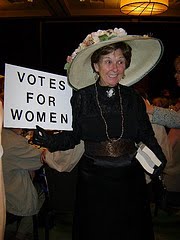
Northern Woman's Bookstore gives their picks of the year.
FICTION
Too Much Happiness by Alice Munro
The Wife's Tale by Lori Lansens
The Thing Around Your Neck by Chimamanda Ngozi Adiche
Suddenly by Bonnie Burnard
Coventry by Helen Humphreys
NON FICTION
Restoring the Balance: First Nations Women,
Community and Culture edited by Gail Guthrie Valaskasis, Madeline Dion Stout and Eric Guimond
The Girl in Saskatoon: A Meditation on Friendship, Memory and Murder, by Sharon Butula
The Orange Trees of Baghdad: In Search of My Lost Family, A Memoir, by Leilah Nadir
CHILDREN'S
The Last Wild Witch by Starhawk
Dance Baby Dance by Andrea Spalding
Best by Northwestern Ontario Author
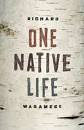
One Native Life by Richard Wagamese
Monday, November 30, 2009


Friday, November 27, 2009
Great News for Local Writers
Definitely Superior is in the publishing game!
Definitely Superior Art Gallery is excited to announce that we have received new Ontario Arts Council (OAC) funding to be a new publishing house in order to recognize the quality and encourage the development of writers and artists in Northwestern Ontario.
Thus, the gallery will now be able to pay artist fees for submissions accepted into our professional publications, and all our publications will be distributed both regionally and nationally (incl. being deposited at Library and Archives Canada). Further info will be announced at our Publishing House Launch Party (including the launch of the 1st issues of "Die Active" & "Squeeze" Zines) on Sat. Dec. 12th-Invite to be sent separately.
“FUEL” Book Anthology ~ Submission Guidelines:
Definitely Superior Art Gallery is seeking submissions for a new Book Anthology with the theme and title, FUEL. The anthology will focus on writing that constitutes, like a force of nature in power and effect, that which excites, illuminates and transforms, thus making an elemental expression upon the reader. We welcome contributions from throughout Northwestern Ontario and its diverse communities while maintaining the highest standards of artistic excellence and aptitude. An editorial board (made up of volunteers from our diverse literary community) decides which submissions to accept, while the gallery finances the book and oversees the publishing process. With new OAC funding, submissions accepted by FUEL will now be paid a professional artist fee.
The Book Anthology, FUEL, will cover a broad range of topics from contemporary to traditional to experimental writing including: poetry, short prose -fiction/non-fiction (not historical non-fiction), ephemera, socio-political commentary, and content far enough outside of the mainstream to be prohibitive of inclusion in more traditional media.
Submission Eligibility:
Living in OR former resident of Thunder Bay or Northwestern Ontario. (Former residents are eligible to submit, but are asked to indicate how long they lived in Thunder Bay, when they moved away, and what current connections they have with the community. Residency limits apply.)
Members of the editorial committee are welcome to submit works, and their submissions will be reviewed in accordance with the conflict of interest policy (i.e. they will not be involved in making decisions on their own submissions).
Submission Requirements:
No more than 2 submissions, with author name on each submission, and a total submission length of no more than 4 pages (standard letter size/minimum 10 pt. font). Please do not submit originals. Email submissions must be submitted as an attachment, saved in Rich Text Format.
Include, in the body of your email [or on separate page if submitting by hard copy], YOUR FULL CONTACT INFO (i.e. your name, mailing address, email address & phone number), a LIST OF TITLES FOR ALL SUBMITTED WORKS, information about your RESIDENCY in Northwestern Ontario (see submission eligibility above), and a 25-word BIOGRAPHY re) your writing/arts/general background.
Please Note:
Submission is no guarantee of publication. Submissions will not be accepted past the deadline. Meeting submission eligibility/requirements, including sufficient contact info is important, so please double-check your submission and let us know if you have any questions. Considerable effort is made to carefully review your submission, so it may take several months to make a decision on your submission (letters of reply will be sent).
How to submit:
...email to: anthologybbp@tbaytel.net [*each gallery publication has its own email, please do not combine submissions for different publications into the same email*]
...or drop off at: Definitely Superior Art Gallery (open Tues-Sat/12-6pm),
...or mail to: Definitely Superior Art Gallery, 250 Park Ave, Suite 101, PO Box 21015, Thunder Bay, ON; P7A 8A9. [*no submissions by facebook please*]
Please address your submission to:
ATTN: Rick Fedorick, Editor, FUEL Anthology
The deadline is Wed. Dec. 30/09.
Questions?
Please contact: Renee Terpstra, Managing Editor, Definitely Superior Art Gallery
[P: 807-344–3814 / E: anthologybbp@tbaytel.net / *no questions by facebook please*]
_______________________________
Definitely Superior Art Gallery is excited to announce that we have received new Ontario Arts Council (OAC) funding to be a new publishing house in order to recognize the quality and encourage the development of writers and artists in Northwestern Ontario.
Thus, the gallery will now be able to pay artist fees for submissions accepted into our professional publications, and all our publications will be distributed both regionally and nationally (incl. being deposited at Library and Archives Canada). Further info will be announced at our Publishing House Launch Party (including the launch of the 1st issues of "Die Active" & "Squeeze" Zines) on Sat. Dec. 12th-Invite to be sent separately.
“FUEL” Book Anthology ~ Submission Guidelines:
Definitely Superior Art Gallery is seeking submissions for a new Book Anthology with the theme and title, FUEL. The anthology will focus on writing that constitutes, like a force of nature in power and effect, that which excites, illuminates and transforms, thus making an elemental expression upon the reader. We welcome contributions from throughout Northwestern Ontario and its diverse communities while maintaining the highest standards of artistic excellence and aptitude. An editorial board (made up of volunteers from our diverse literary community) decides which submissions to accept, while the gallery finances the book and oversees the publishing process. With new OAC funding, submissions accepted by FUEL will now be paid a professional artist fee.
The Book Anthology, FUEL, will cover a broad range of topics from contemporary to traditional to experimental writing including: poetry, short prose -fiction/non-fiction (not historical non-fiction), ephemera, socio-political commentary, and content far enough outside of the mainstream to be prohibitive of inclusion in more traditional media.
Submission Eligibility:
Living in OR former resident of Thunder Bay or Northwestern Ontario. (Former residents are eligible to submit, but are asked to indicate how long they lived in Thunder Bay, when they moved away, and what current connections they have with the community. Residency limits apply.)
Members of the editorial committee are welcome to submit works, and their submissions will be reviewed in accordance with the conflict of interest policy (i.e. they will not be involved in making decisions on their own submissions).
Submission Requirements:
No more than 2 submissions, with author name on each submission, and a total submission length of no more than 4 pages (standard letter size/minimum 10 pt. font). Please do not submit originals. Email submissions must be submitted as an attachment, saved in Rich Text Format.
Include, in the body of your email [or on separate page if submitting by hard copy], YOUR FULL CONTACT INFO (i.e. your name, mailing address, email address & phone number), a LIST OF TITLES FOR ALL SUBMITTED WORKS, information about your RESIDENCY in Northwestern Ontario (see submission eligibility above), and a 25-word BIOGRAPHY re) your writing/arts/general background.
Please Note:
Submission is no guarantee of publication. Submissions will not be accepted past the deadline. Meeting submission eligibility/requirements, including sufficient contact info is important, so please double-check your submission and let us know if you have any questions. Considerable effort is made to carefully review your submission, so it may take several months to make a decision on your submission (letters of reply will be sent).
How to submit:
...email to: anthologybbp@tbaytel.net [*each gallery publication has its own email, please do not combine submissions for different publications into the same email*]
...or drop off at: Definitely Superior Art Gallery (open Tues-Sat/12-6pm),
...or mail to: Definitely Superior Art Gallery, 250 Park Ave, Suite 101, PO Box 21015, Thunder Bay, ON; P7A 8A9. [*no submissions by facebook please*]
Please address your submission to:
ATTN: Rick Fedorick, Editor, FUEL Anthology
The deadline is Wed. Dec. 30/09.
Questions?
Please contact: Renee Terpstra, Managing Editor, Definitely Superior Art Gallery
[P: 807-344–3814 / E: anthologybbp@tbaytel.net / *no questions by facebook please*]
_______________________________
Thursday, November 26, 2009
The Books are in the Bag
Good news for book clubs. The book bags have just multiplied, courtesy of the Thunder Bay Library. Any club may reserve to borrow a bag of books, distribute to members and return after the next meeting.
And the new books available are:
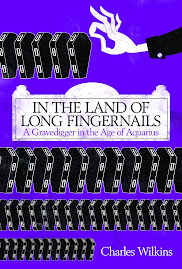
In the Land of Long Fingernails by Charles Wilkins
Lottery by Patricia Wood
Digging to America by Anne Tyler
The Time in Between by David Bergen
The Story of Edgar Sawtelle by David Wroblewski
Factory Voice by Jeanette Lynes
The Gargoyle by Andrew Davicson
The Shack by William P. Young
A Short History of Tractors in Ukrainian by Marina Lewycka
Half of a Yellow Sun by Chimamanda N. Adichie
The Book Thief by Markus Zusak
Friday Night Knitting Club by Kate Jacobs
Jane Eyre by Charlotte Bronte
Many thanks to Helen Cimone of the library. I have a few favourites on this list, particularly The Time in Between by David Bergen. A Short History of Tractors in the Ukraine by Marina Lewycka and In the Land of Long Fingernails by Charles Wilkins. I found Digging to America by Anne Tyler a bit over the top. Love to hear opinions about the others. E mail me at jbaril@tbaytel.net.
And the new books available are:
In the Land of Long Fingernails by Charles Wilkins
Lottery by Patricia Wood
Digging to America by Anne Tyler
The Time in Between by David Bergen
The Story of Edgar Sawtelle by David Wroblewski
Factory Voice by Jeanette Lynes
The Gargoyle by Andrew Davicson
The Shack by William P. Young
A Short History of Tractors in Ukrainian by Marina Lewycka
Half of a Yellow Sun by Chimamanda N. Adichie
The Book Thief by Markus Zusak
Friday Night Knitting Club by Kate Jacobs
Jane Eyre by Charlotte Bronte
Many thanks to Helen Cimone of the library. I have a few favourites on this list, particularly The Time in Between by David Bergen. A Short History of Tractors in the Ukraine by Marina Lewycka and In the Land of Long Fingernails by Charles Wilkins. I found Digging to America by Anne Tyler a bit over the top. Love to hear opinions about the others. E mail me at jbaril@tbaytel.net.
Monday, November 23, 2009
Short Story by Joan Baril
This story won second place in the Canadian Authors' Association (Niagara Branch) 2009 short fiction contest. It is published in Ten Stories High, a compilation of the winning stories.
WINE
By Joan Baril
I skip through the police station door, across the lobby into the back room where the policemen eat their lunches, drop the black metal lunch box on the wooden table, wave to old Sergeant McKee behind the front desk and almost bump into my father in his police uniform when I’m back out on the sidewalk.
“Steady on, lass,” he says, leaning down towards me. “Just the gal I want to see. I’ve something to say to ye, so mark ye well.”
My father always looks a bit scary in his uniform. Maybe it’s the shadow of the peaked cap that hides his cheery blue eyes. Maybe it’s the dark jacket with the golden buttons and the sergeant’s stripes that makes him seem impossibly huge. He puts his hand on my shoulder.
“Ye know that Elsie you play with?” he says. “At the Castle Confectionary on Winder Street.”
“What about her?”
“You’re to stay away from that store.”
“No-o-o.’ It comes out as a wail.
My father shakes his index finger at me. “Janet, don’t blether,” he says. “I’m telling ye for your own good—stay away from that store. The place is an outfit and that’s all ye need to know.”
Parents are such difficult people. I nod quickly, “OK, OK,” but inside, I’m boiling. When I get to the corner, I turn and yell, “You’re so mean,” but he’s gone and the double doors of the Port Arthur Police Station are swinging shut.
I kick snow clods as I walk home. I know very well why I have to stay away from the store. Even though Elsie’s father is famous in Poland and worked for a newspaper there and was a Party Zan in the war, here in Canada, he’s a bootlegger.
Elsie Dolinski and I became friends three weeks ago when she arrived in our grade three class. She’s a fairy girl with sky blue eyes and spun gold hair that wisps across her face. Last week, when it first snowed, she came to school in a white coat with fur trim, white leggings and carrying a white fur muff. She looked as if she’d stepped off the shelf of the Eaton’s doll department.
The first time I go to Elsie’s place, we play cut-outs in the big kitchen behind the store. We set our Princess Elizabeth paper dolls on the stairs leading to the bedrooms above. Her mother, a tiny woman with yellowish grey hair in a roll around her head, bustles back and forth from the store to tend to something on the stove. She was a writer in Poland, Elsie tells me, and wrote children’s books but now she’s a storekeeper with a big blue apron over her flowered dress. For some reason, she calls me Liddle.
“Here you, Liddle,” she says, setting a cup on the table. “Nice you visit my Elsie. Sit, sit and drink this.”
I lift the milky brown liquid to my lips breathing in a magical spicy aroma.
“What is it?” I whisper to Elsie
“Coffee.”
The first I’ve tasted. We only have tea at home and I’m seldom allowed a sip. The forbidden drink tastes dark and woody but I swallow it all. I feel I’ve passed an important test. I’m a grown up at last. Wait till my sister hears about this, I think. Meanwhile Mrs. Dolinski is ripping the cellophane from a double pack of Sally
Ann cakes. She gives one to each of us. Heaven.
On the next visit, Elsie takes me into the basement, reached from a trap door hidden beneath the kitchen rug. Tiny steps curve down into a stone cellar. Even though the windows are half-blocked with snow, the sunlight weaves a few pale patterns on the floor giving us enough light to see. I look around the deep stone box. It’s like the cave of a mountain troll. In the shadows at one end, the furnace stretches out its many arms, and, at the other end, a tower of wooden crates rises to the ceiling. Blue and white bottles on a side table wink at us in the snowy light. But the most interesting items are the five roly-poly wooden barrels, almost as high as me, lined up down the centre of the room. The barrels look like five fat dwarfs. The top of each one is covered with a square of black fabric.
I lift a cloth and lean over the circle of darkness. The smell is thick and sweet, like cough medicine. The liquid comes almost to the top, inky bluish black and shimmering slightly as if an invisible hand is stirring from below. A few tiny bubbles bob up and I quickly drop the cover.
“Isn’t this against the law?” I say to Elsie trying not to sound suspicious. I know all about the bootlegging of wine because I often listen in as my father discusses it with his policeman friends.
“It’s for the family. It’s not illegal if it’s for the family.” Clearly Elsie also knows her criminal code.
“He’s making an awful lot for just one family.”
“My papa has a magic potion, and when he uses it, everything is legal.”
Before I can ask about the magic potion, her father calls us upstairs. He’s set the table with plates and cups. Elsie’s mother is not home. It‘s Sunday and she’s at mass. The store is closed.
“Liddle, you want coffee?”
“Yes please.”
“Sit here. Eat those donuts.’
He sits at the table with us and grins. “In the war, Polish people no got coffee,”
he says. I’m not sure why that could be a hardship, so I say nothing. “Lotta time, no food, never mind coffee,” he goes on.
I feel I’m drinking liquid earth but I force it down. I’m positive it’s making me smarter. I’m turning more grown up every day.
“But when you hiding,” Elsie’s father says, “you so scared, coffee no matter. Even food no matter.” He smiles at Elsie and she smiles back. He takes out a pouch and begins rolling a cigarette. “No tobacco either,” he says.
I study him. He doesn’t look like a war hero. He’s hefty and short and when he walks, moves from side to side. He has on the same thick clothes he wears for his job at the shipyard—heavy black wool pants and layers of plaid shirts. His head seems to grow straight from his shoulders and his mouth is wide. When he grins, and he grins often, I glimpse a gold tooth. A golden grin, I think.
At recess, a week after my dad tells me to stay away from the Castle Confectionary, Elsie asks me to visit the next Sunday afternoon. I smile happily at her because I’ve figured out a way around my father’s orders. It’s taken a week of hard thinking. His words, don’t go into that store, drum through my mind even when I’m in bed. But, one night, just before sleep, a flash of brain power hits me. I realize he said nothing about going into the kitchen. The kitchen, I reason, is part of the house and a house is not a store. So the kitchen is OK. And, what’s more, the store is closed on Sundays, so I couldn’t go into the store even if I wanted to.
“I’ll be over after lunch on Sunday,” I say
We head for the basement immediately closing the trap behind us. However, just as we reach the bottom of the stairs, we hear the blast of a whistle. Big black boots run through the snow outside the windows and heavy thumps come from overhead. I climb on a wooden crate and look out. Three policemen are lined up across the back yard. Chief Reynolds is waving his arms and blowing a whistle.
Elsie begins to spin in a dithering circle. She’s wailing. “Police. No, no. Hide, hide.”
She pushes me behind the pile of crates and dives in after me just as a square of light speeds across the floor and the trap is flung open with a crash. We crouch like mice against the stone wall. Elsie has her head down in her hands, but I can see everything through the wooden slats. To my horror, the police chief, followed by my father and Sergeant McKee, run down the narrow steps.
Mr. Dolinski runs after them, talking fast. “Not vine, No no. No vine. Never. Ween gart. Ween.”
The chief strides to a barrel and tosses off the cloth. He sticks in his finger and tastes. “Right. Here’s the evidence and lots of it. There’s enough wine here for the Russian army. This should convict our Pollock friend.” He turns to my father, “Marsden!”
“Yes, sir.”
“Get upstairs on the phone. Tell Banning to send the truck to haul this stuff away.’ My father clatters up the stairs.
While the chief is throwing the cloth covers on the floor and tasting the contents of each barrel with his finger, old Sergeant McKee is stalking around the basement. He picks up two bottles from the table and puts them in his jacket pockets. He puts two more bottles under one arm. He then heads toward our end of the room. When he gets to the crates, he looks directly at them, and I’m sure he sees us through the slats. I shrink even smaller thinking this is the way a mouse feels when it’s cornered by the cat. The chief is now halfway up the stairs and yells, “Come along, McKee!”
Elsie’s father is now alone in the centre of the room. Elsie crawls out but he shakes his head at her and waves her back in. For such a burly man he moves fast, taking a glass bottle from a shelf and splashing liquid into each barrel.
“It’s the magic potion,” Elsie whispers to me. A nasty sharp smell slowly pervades the room. I cover my mouth and nose but the sickening odour moves through my fingers and into my head.
I can hear Mr. Dolinski shouting as he runs back upstairs. “Come down, police. Come down, police. Ween gart, ween gart.’ When he reappears a minute later with old Sergeant McKee, he’s still yelling. “See, ween gart. I make to sell in store.”
“What the hell,” says Sergeant McKee. “What a stink. It smells like…’
He sticks a finger in the closest barrel and tastes. “Vinegar. God in heaven, it’s vinegar.’ He puts a finger in each barrel. “All vinegar.”
“I sell in store,” says Elsie’s father. “Good ween gart.”
“Christ.” McKee turns and runs up the stairs.
Next, Chief Reynolds comes down, tastes the first barrel, makes a face and retreats. Mr. Dolinski follows him up the stairs, one hand behind his back flapping at us to stay in hiding. Boots bang and thump above with a lot of yelling mixed in, but after a long time, when I hear the roar of motors in the back lane, I know they’ve left at last. We creep out on our hands and knees. Elsie’s face is streaked with dust and tears. She flies up the stairs crying for her father. I follow. No one is in the kitchen but, through the open door to the store, I see Mr. Dolinski looking out the side window, his large arm around Elsie’s shoulders. He’s grinning.
I grab my coat from the pile in the back shed, and shoot outside like a bird from a trap.
***
My father can’t stop laughing. My sister and I, in the kitchen doing the supper dishes, see him through the open door to the living room. “Why the old man left him alone in the basement, I’ll never know,” my father says. “Leaving him with his wine. And the crafty blighter just splashed some vinegar in each barrel and that turns everything to vinegar. You can’t arrest someone for making vinegar.”
“But didn’t he have some bottles of wine already made up?” says my Uncle Everett. He and my Aunt Sissy are over for Sunday supper.
“Oh, family use. Can’t get a conviction on three on four bottles.”
Aunt Sissy speaks next. “I don’t see why you’re bothering poor immigrants at a’. Aren’t they’re just trying to get along? And on a Sunday an a’,”
“Och, no, Sissy. We’re not sic monsters and on a Sunday morning, the wife and kiddy go off to church, so we spared them the upset. But Chief Reynolds loves a raid.” He starts to laugh again slapping his knee. “When the lads at the Fort William station hear about this…’
Sergeant McKee and a young policeman called Constable Aduno are at the front door. McKee carries two Eaton’s shopping bags that he lifts into the air as he steps inside. “Ween gart,” he calls out.
My mother comes into the kitchen. “Leave the dishes, girls. Come and try a sip of wine.” I toss the dish towel on the rack. There’s never been wine in the house as far as I remember. My mother makes us carry out some cups and water glasses on the tea tray. Constable Aduno opens a bottle using a twisty metal tool he takes from his pocket. When Sergeant McKee looks at me, he gives me a big wink. I quickly look at the floor.
“To the Poles,” says Sergeant McKee raising his glass. “God bless them.”
Constable Aduno takes a sip. “Not bad. The old con artist knew what he was doing.” He takes a gulp. “Excellent. He could’ve been Italian.”
I taste a bitty drop from my tea cup. Sour. My sister is making a screwed up face and sticking out her tongue. This stuff tastes worse than the vinegar smelled, worse than coffee, worse than the worst medicine, worse than dandelion juice.
My aunt and mother are also unimpressed.
“I’d rather have a nice cup of tea,’ says Aunt Sissy.
In bed that night it sounds as if a grown-up party is going full swing downstairs. Aunt Sissy sings, “Stop your Ticklin’, Jock,” her special party song. My mother sings “The Little Red Hen” and my Uncle Everett belts out “The Biggest Aspidistra in the World,” my favourite of all the grown-up songs. I can hear my father laughing. Every once in a while I catch old Sergeant McKee’s voice chanting, “Ween gart, ween gart.” If he spied me behind the crates, he didn’t tell my father. I send him a million thought messages. Thank-you, thank you.
I think about Elsie. Did I ever mention to her my dad was a policeman? I don’t recall, but she’s sure to find out one day. Until then, there’s a chance for more coffee and treats at the Castle Confectionary.
Sleep is sliding over me like a magic spell. I snuggle into the blankets. My sister snores beside me with her mouth open.
WINE
By Joan Baril
I skip through the police station door, across the lobby into the back room where the policemen eat their lunches, drop the black metal lunch box on the wooden table, wave to old Sergeant McKee behind the front desk and almost bump into my father in his police uniform when I’m back out on the sidewalk.
“Steady on, lass,” he says, leaning down towards me. “Just the gal I want to see. I’ve something to say to ye, so mark ye well.”
My father always looks a bit scary in his uniform. Maybe it’s the shadow of the peaked cap that hides his cheery blue eyes. Maybe it’s the dark jacket with the golden buttons and the sergeant’s stripes that makes him seem impossibly huge. He puts his hand on my shoulder.
“Ye know that Elsie you play with?” he says. “At the Castle Confectionary on Winder Street.”
“What about her?”
“You’re to stay away from that store.”
“No-o-o.’ It comes out as a wail.
My father shakes his index finger at me. “Janet, don’t blether,” he says. “I’m telling ye for your own good—stay away from that store. The place is an outfit and that’s all ye need to know.”
Parents are such difficult people. I nod quickly, “OK, OK,” but inside, I’m boiling. When I get to the corner, I turn and yell, “You’re so mean,” but he’s gone and the double doors of the Port Arthur Police Station are swinging shut.
I kick snow clods as I walk home. I know very well why I have to stay away from the store. Even though Elsie’s father is famous in Poland and worked for a newspaper there and was a Party Zan in the war, here in Canada, he’s a bootlegger.
Elsie Dolinski and I became friends three weeks ago when she arrived in our grade three class. She’s a fairy girl with sky blue eyes and spun gold hair that wisps across her face. Last week, when it first snowed, she came to school in a white coat with fur trim, white leggings and carrying a white fur muff. She looked as if she’d stepped off the shelf of the Eaton’s doll department.
The first time I go to Elsie’s place, we play cut-outs in the big kitchen behind the store. We set our Princess Elizabeth paper dolls on the stairs leading to the bedrooms above. Her mother, a tiny woman with yellowish grey hair in a roll around her head, bustles back and forth from the store to tend to something on the stove. She was a writer in Poland, Elsie tells me, and wrote children’s books but now she’s a storekeeper with a big blue apron over her flowered dress. For some reason, she calls me Liddle.
“Here you, Liddle,” she says, setting a cup on the table. “Nice you visit my Elsie. Sit, sit and drink this.”
I lift the milky brown liquid to my lips breathing in a magical spicy aroma.
“What is it?” I whisper to Elsie
“Coffee.”
The first I’ve tasted. We only have tea at home and I’m seldom allowed a sip. The forbidden drink tastes dark and woody but I swallow it all. I feel I’ve passed an important test. I’m a grown up at last. Wait till my sister hears about this, I think. Meanwhile Mrs. Dolinski is ripping the cellophane from a double pack of Sally
Ann cakes. She gives one to each of us. Heaven.
On the next visit, Elsie takes me into the basement, reached from a trap door hidden beneath the kitchen rug. Tiny steps curve down into a stone cellar. Even though the windows are half-blocked with snow, the sunlight weaves a few pale patterns on the floor giving us enough light to see. I look around the deep stone box. It’s like the cave of a mountain troll. In the shadows at one end, the furnace stretches out its many arms, and, at the other end, a tower of wooden crates rises to the ceiling. Blue and white bottles on a side table wink at us in the snowy light. But the most interesting items are the five roly-poly wooden barrels, almost as high as me, lined up down the centre of the room. The barrels look like five fat dwarfs. The top of each one is covered with a square of black fabric.
I lift a cloth and lean over the circle of darkness. The smell is thick and sweet, like cough medicine. The liquid comes almost to the top, inky bluish black and shimmering slightly as if an invisible hand is stirring from below. A few tiny bubbles bob up and I quickly drop the cover.
“Isn’t this against the law?” I say to Elsie trying not to sound suspicious. I know all about the bootlegging of wine because I often listen in as my father discusses it with his policeman friends.
“It’s for the family. It’s not illegal if it’s for the family.” Clearly Elsie also knows her criminal code.
“He’s making an awful lot for just one family.”
“My papa has a magic potion, and when he uses it, everything is legal.”
Before I can ask about the magic potion, her father calls us upstairs. He’s set the table with plates and cups. Elsie’s mother is not home. It‘s Sunday and she’s at mass. The store is closed.
“Liddle, you want coffee?”
“Yes please.”
“Sit here. Eat those donuts.’
He sits at the table with us and grins. “In the war, Polish people no got coffee,”
he says. I’m not sure why that could be a hardship, so I say nothing. “Lotta time, no food, never mind coffee,” he goes on.
I feel I’m drinking liquid earth but I force it down. I’m positive it’s making me smarter. I’m turning more grown up every day.
“But when you hiding,” Elsie’s father says, “you so scared, coffee no matter. Even food no matter.” He smiles at Elsie and she smiles back. He takes out a pouch and begins rolling a cigarette. “No tobacco either,” he says.
I study him. He doesn’t look like a war hero. He’s hefty and short and when he walks, moves from side to side. He has on the same thick clothes he wears for his job at the shipyard—heavy black wool pants and layers of plaid shirts. His head seems to grow straight from his shoulders and his mouth is wide. When he grins, and he grins often, I glimpse a gold tooth. A golden grin, I think.
At recess, a week after my dad tells me to stay away from the Castle Confectionary, Elsie asks me to visit the next Sunday afternoon. I smile happily at her because I’ve figured out a way around my father’s orders. It’s taken a week of hard thinking. His words, don’t go into that store, drum through my mind even when I’m in bed. But, one night, just before sleep, a flash of brain power hits me. I realize he said nothing about going into the kitchen. The kitchen, I reason, is part of the house and a house is not a store. So the kitchen is OK. And, what’s more, the store is closed on Sundays, so I couldn’t go into the store even if I wanted to.
“I’ll be over after lunch on Sunday,” I say
We head for the basement immediately closing the trap behind us. However, just as we reach the bottom of the stairs, we hear the blast of a whistle. Big black boots run through the snow outside the windows and heavy thumps come from overhead. I climb on a wooden crate and look out. Three policemen are lined up across the back yard. Chief Reynolds is waving his arms and blowing a whistle.
Elsie begins to spin in a dithering circle. She’s wailing. “Police. No, no. Hide, hide.”
She pushes me behind the pile of crates and dives in after me just as a square of light speeds across the floor and the trap is flung open with a crash. We crouch like mice against the stone wall. Elsie has her head down in her hands, but I can see everything through the wooden slats. To my horror, the police chief, followed by my father and Sergeant McKee, run down the narrow steps.
Mr. Dolinski runs after them, talking fast. “Not vine, No no. No vine. Never. Ween gart. Ween.”
The chief strides to a barrel and tosses off the cloth. He sticks in his finger and tastes. “Right. Here’s the evidence and lots of it. There’s enough wine here for the Russian army. This should convict our Pollock friend.” He turns to my father, “Marsden!”
“Yes, sir.”
“Get upstairs on the phone. Tell Banning to send the truck to haul this stuff away.’ My father clatters up the stairs.
While the chief is throwing the cloth covers on the floor and tasting the contents of each barrel with his finger, old Sergeant McKee is stalking around the basement. He picks up two bottles from the table and puts them in his jacket pockets. He puts two more bottles under one arm. He then heads toward our end of the room. When he gets to the crates, he looks directly at them, and I’m sure he sees us through the slats. I shrink even smaller thinking this is the way a mouse feels when it’s cornered by the cat. The chief is now halfway up the stairs and yells, “Come along, McKee!”
Elsie’s father is now alone in the centre of the room. Elsie crawls out but he shakes his head at her and waves her back in. For such a burly man he moves fast, taking a glass bottle from a shelf and splashing liquid into each barrel.
“It’s the magic potion,” Elsie whispers to me. A nasty sharp smell slowly pervades the room. I cover my mouth and nose but the sickening odour moves through my fingers and into my head.
I can hear Mr. Dolinski shouting as he runs back upstairs. “Come down, police. Come down, police. Ween gart, ween gart.’ When he reappears a minute later with old Sergeant McKee, he’s still yelling. “See, ween gart. I make to sell in store.”
“What the hell,” says Sergeant McKee. “What a stink. It smells like…’
He sticks a finger in the closest barrel and tastes. “Vinegar. God in heaven, it’s vinegar.’ He puts a finger in each barrel. “All vinegar.”
“I sell in store,” says Elsie’s father. “Good ween gart.”
“Christ.” McKee turns and runs up the stairs.
Next, Chief Reynolds comes down, tastes the first barrel, makes a face and retreats. Mr. Dolinski follows him up the stairs, one hand behind his back flapping at us to stay in hiding. Boots bang and thump above with a lot of yelling mixed in, but after a long time, when I hear the roar of motors in the back lane, I know they’ve left at last. We creep out on our hands and knees. Elsie’s face is streaked with dust and tears. She flies up the stairs crying for her father. I follow. No one is in the kitchen but, through the open door to the store, I see Mr. Dolinski looking out the side window, his large arm around Elsie’s shoulders. He’s grinning.
I grab my coat from the pile in the back shed, and shoot outside like a bird from a trap.
***
My father can’t stop laughing. My sister and I, in the kitchen doing the supper dishes, see him through the open door to the living room. “Why the old man left him alone in the basement, I’ll never know,” my father says. “Leaving him with his wine. And the crafty blighter just splashed some vinegar in each barrel and that turns everything to vinegar. You can’t arrest someone for making vinegar.”
“But didn’t he have some bottles of wine already made up?” says my Uncle Everett. He and my Aunt Sissy are over for Sunday supper.
“Oh, family use. Can’t get a conviction on three on four bottles.”
Aunt Sissy speaks next. “I don’t see why you’re bothering poor immigrants at a’. Aren’t they’re just trying to get along? And on a Sunday an a’,”
“Och, no, Sissy. We’re not sic monsters and on a Sunday morning, the wife and kiddy go off to church, so we spared them the upset. But Chief Reynolds loves a raid.” He starts to laugh again slapping his knee. “When the lads at the Fort William station hear about this…’
Sergeant McKee and a young policeman called Constable Aduno are at the front door. McKee carries two Eaton’s shopping bags that he lifts into the air as he steps inside. “Ween gart,” he calls out.
My mother comes into the kitchen. “Leave the dishes, girls. Come and try a sip of wine.” I toss the dish towel on the rack. There’s never been wine in the house as far as I remember. My mother makes us carry out some cups and water glasses on the tea tray. Constable Aduno opens a bottle using a twisty metal tool he takes from his pocket. When Sergeant McKee looks at me, he gives me a big wink. I quickly look at the floor.
“To the Poles,” says Sergeant McKee raising his glass. “God bless them.”
Constable Aduno takes a sip. “Not bad. The old con artist knew what he was doing.” He takes a gulp. “Excellent. He could’ve been Italian.”
I taste a bitty drop from my tea cup. Sour. My sister is making a screwed up face and sticking out her tongue. This stuff tastes worse than the vinegar smelled, worse than coffee, worse than the worst medicine, worse than dandelion juice.
My aunt and mother are also unimpressed.
“I’d rather have a nice cup of tea,’ says Aunt Sissy.
In bed that night it sounds as if a grown-up party is going full swing downstairs. Aunt Sissy sings, “Stop your Ticklin’, Jock,” her special party song. My mother sings “The Little Red Hen” and my Uncle Everett belts out “The Biggest Aspidistra in the World,” my favourite of all the grown-up songs. I can hear my father laughing. Every once in a while I catch old Sergeant McKee’s voice chanting, “Ween gart, ween gart.” If he spied me behind the crates, he didn’t tell my father. I send him a million thought messages. Thank-you, thank you.
I think about Elsie. Did I ever mention to her my dad was a policeman? I don’t recall, but she’s sure to find out one day. Until then, there’s a chance for more coffee and treats at the Castle Confectionary.
Sleep is sliding over me like a magic spell. I snuggle into the blankets. My sister snores beside me with her mouth open.
Friday, November 20, 2009
A Friendly reminder re NOWW Workshop
Scott Pound
will present the second part of his 2 part workshop
SOUND, RHYTHM,
AND PROSODY
Monday November 23, 7 p.m.
Waverly Library Auditorium
(Attendance at the first workshop not mandatory
in order to attend the second.)
All workshops are free to the public.
Hope to see you all there!
will present the second part of his 2 part workshop
SOUND, RHYTHM,
AND PROSODY
Monday November 23, 7 p.m.
Waverly Library Auditorium
(Attendance at the first workshop not mandatory
in order to attend the second.)
All workshops are free to the public.
Hope to see you all there!
Thursday, November 19, 2009
Governor General Awards 2009
And the winners in English-language Books....
Fiction: Kate Pullinger, The Mistress of Nothing
Non-Fiction: M.G. Vassanji, A Place Within: Rediscovering India
Poetry: David Zieroth, The Fly in Autumn
Drama: Kevin Loring, Where the Blood Mixes
Children's Literature, Text: Caroline Pignat, Greener Grass: The Famine Years
Children's Literature, Illustration: Jirina Marton, Bella’s Tree, text by Janet Russell
Translation, French to English: Susan Ouriou, Pieces of Me
Tuesday, November 17, 2009
Writer Alert. You could be part of the public space!
Letter from the poet laureate of Toronto...
Advisory to Thunder Bay Writers and Artists and Cultural Stakeholders
I am subcontracted to the firm of BMI/Pace Architects and Planners for the redesign of the Thunder Bay waterfront. BMI has been commissioned by The City of Thunder Bay to include in their plans public art reflective of the culture and narratives of the Thunder Bay experience. I am engaged in finding appropriate texts for public surfaces and art installations, drawing from authors living or historical.
I would welcome the recommendation of authors and the submission of literary extracts for consideration in this project. The scope of the project is to enhance the quality of civic life in Thunder Bay by the showcasing of authors and citizens who speak of a loyalty and an aesthetic unique to Thunder Bay.
Please feel free to disseminate this invitation where it seems useful or to contact me or e-mail submissions to the following address;
pgdicicco@gmail.com
Sincerely,
Pier Giorgio Di Cicco
Poet Laureate of the City of Toronto
Principal, Municipal Mind
www.municipalmind.com
Advisory to Thunder Bay Writers and Artists and Cultural Stakeholders
I am subcontracted to the firm of BMI/Pace Architects and Planners for the redesign of the Thunder Bay waterfront. BMI has been commissioned by The City of Thunder Bay to include in their plans public art reflective of the culture and narratives of the Thunder Bay experience. I am engaged in finding appropriate texts for public surfaces and art installations, drawing from authors living or historical.
I would welcome the recommendation of authors and the submission of literary extracts for consideration in this project. The scope of the project is to enhance the quality of civic life in Thunder Bay by the showcasing of authors and citizens who speak of a loyalty and an aesthetic unique to Thunder Bay.
Please feel free to disseminate this invitation where it seems useful or to contact me or e-mail submissions to the following address;
pgdicicco@gmail.com
Sincerely,
Pier Giorgio Di Cicco
Poet Laureate of the City of Toronto
Principal, Municipal Mind
www.municipalmind.com
Friday, November 13, 2009
A Cornucopia, a Xmas feast of books, books, books
What a time for great new books! A quick trip to Chapters and I am writing my list and not even checking it twice. Here is an even dozen.
- Last Night at Twisted River by the great John Irving
- Too Much Happiness by Alice Munro, best short story writer in the world.
- Nine Dragons by Michael Connelly. A police procedural, Connelly sends his L.A. detective to Asia
- The Year of the Flood by Margaret Atwood. Environmental disaster and garden cults.
- Look at the Birdie by Kurt Vonnegut. Early short stories by a quirky, clever writer with something to say.
- More by Ausin Clark. A young woman from Barbados makes the physical and mental journey to Canada.
- Snow Job by William Deverell. The laugh out loud mystery writer.
- What They Wanted by Donna Morrissy, author of Kit's Law.
- Silent Nights by Anne Perry. All is not calm and bright in a Victorian Xmas. Mystery at its creepiest.
- The Brutal Telling by Louise Penny. Quebec village rocked by brutal murder.
- Eating Animals by Jonathan Safran Feor. A look at how animals are raised for meat. You may order the tofu after this.
- High on the Big Stone Heart. Further Adventures in the Boreal Heartland by Charlie Wilkins. Down home guy writes about us. A collections of essays beribboned in Charlie fashion.
Thursday, November 12, 2009
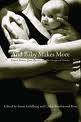
Book Launch - And Baby Makes More
The Northern Woman's Bookstore, in conjunction with Calico Coffeehouse, is delighted to host the Thunder Bay launch of And Baby Makes More: Known Donors, Queer Parents and Our Unexpected Families. Edited by Susan Goldberg and Chloë Brushwood Rose ~ Insomniac Press, 2009
Please join us for readings and book signings: Sunday, November 22, 2009 ~ 7 PM – 9 PM
Calico Coffeehouse ~ 316 Bay Street
About the book: And Baby Makes More pushes at the boundaries of current family conceptions. This quirky, funny, and occasionally heartbreaking collection of personal essays offers a front-row view into the relative risks and unexpected rewards of queer, do-it-yourself baby-making, and the ways in which families themselves are re-made in the process. The authors — donors, biological and non-bio parents, and their children — offer provocative, nuanced insights into what it means to be or use a known donor — and how queer families are being reconceived to include new roles, new rules, and, sometimes, more than two parents. For more information and to read excerpts, please visit the Insomniac press website.
Please join us for readings and book signings: Sunday, November 22, 2009 ~ 7 PM – 9 PM
Calico Coffeehouse ~ 316 Bay Street
About the book: And Baby Makes More pushes at the boundaries of current family conceptions. This quirky, funny, and occasionally heartbreaking collection of personal essays offers a front-row view into the relative risks and unexpected rewards of queer, do-it-yourself baby-making, and the ways in which families themselves are re-made in the process. The authors — donors, biological and non-bio parents, and their children — offer provocative, nuanced insights into what it means to be or use a known donor — and how queer families are being reconceived to include new roles, new rules, and, sometimes, more than two parents. For more information and to read excerpts, please visit the Insomniac press website.
Wednesday, November 11, 2009
Giller Announced
In a surprise turn of events, Linden MacIntyre has won the Giller for his novel The Bishop's Man. MacIntyre, a well known CBC journalist has written a novel about corruption in the Roman Catholic Church. The novel is set in Cape Breton.
The Bishop's Man chronicles an emerging crisis of conscience in a worldly priest who has been assigned to keep a lid on church-related sex scandals that are destroying the lives of the faithful in rural Cape Breton.
The Bishop's Man chronicles an emerging crisis of conscience in a worldly priest who has been assigned to keep a lid on church-related sex scandals that are destroying the lives of the faithful in rural Cape Breton.
NEXT for NOWW
NOWW presents
THE PLAYGROUND
dramatic readings featuring
Cathi Grandfield with help from Brian Whitfield, Jennifer Jones, Marianne Jones , Heather Esden and Richard Boon
Open mic: Write a short monologue or poem based on your choice of the greatest literary villain or hero (limit: two minutes, max)
7 p.m., Tuesday November 17,
Fireside Reading Room,
Brodie Resource Library,
216 S. Brodie Street, Thunder Bay.
For more information
admin@nowwwriters.org ~ nowwwriters.org ~ Erin @ 768-1701
Monday, November 9, 2009
Shingles Vaccine
The Shingles Vaccine by Joan Baril
On Monday, October 27, I was vaccinated against shingles.
The single shot lasts for life.
The shingles vaccine, called Zostavax, was approved by Health Canada in August 2008 and is just becoming available. The vaccine was developed in the United States and approved by the American Food and Drug in May 2006. In 2007, the US Centre for disease control recommended the vaccine for people over 60 who have previously had chicken pox.
Most of us remember our bout of childhood chicken pox, the itching, the scabbing, the fun of missing school. However, we did not know this common childhood disease has long lasting consequences. The virus does not leave the body but remains, nestled near the spine. Later, usually in the senior years, the virus can erupt into the painful blistering rash called shingles. Up to twenty percent of people who have had chicken pox will get shingles later in life.
Shingles is a cruel disease. The rash, which is intensely painful, usually erupts on one side of the face or body and generally lasts from two to four weeks. But some people suffer long term complications. The pain can last for months or even years. Other complications include scarring, paralysis, loss of vision or hearing or long-term nerve pain called postherpetic neuralgia (PHN). And you can get this nasty disease more than once, in fact several times.
There are problems with the shingles vaccine and the first one is the cost. It is expensive. My shot at Janzen’s cost $181.49. My sister in Alliston, Ontario, paid close to $200 for her injection.
Secondly the vaccine has to be kept frozen and must be administered within thirty minutes of removing it from the freezer. When I learned Janzen’s Pharmacy had the vaccine in stock, I asked my doctor to fax a prescription. Janzen’s employs a nurse practitioner who can give the shot and also, I believe, write a prescription. I did not check all the pharmacies in Thunder Bay. Other pharmacies and medical clinics may have arrangements to administer the vaccine.
The shingles vaccination does not give 100% protection but if shingles occurs, the case is usually mild. According to the CDC, people who should not be vaccinated against shingles include:
• Anyone who has a weakened immune system due to HIV/AIDS or another immune-related illness.
• Anyone who has had a life-threatening allergic reaction to gelatin, the antibiotic neomycin or any other component of the shingles vaccine.
• Anyone who has received treatment with drugs that affect the immune system, such as steroids; cancer treatment such as radiation or chemotherapy; or has a history of cancer affecting the bone marrow or lymphatic system, such as leukemia.
• Anyone who has active, untreated tuberculosis.
• A woman who is pregnant or might be pregnant.
Most seniors know about shingles. Many have experience with the disease, either personally or with friends or family members and they know the distress this disease causes. In my view, the price must be lowered so that anyone over 60 who wishes to get the vaccine is able to do so at a reasonable cost or no cost at all, just like other vaccinations. I urge everyone to contact Ontario Ministry of Health and out local MPPs. The vaccine is expensive but the cost of shingles treatment is also expensive. The local health unit has the ability to store and administer the vaccine and that is the organization that should take the lead on making this vaccine available free of charge as it does with other a vaccines.
On Monday, October 27, I was vaccinated against shingles.
The single shot lasts for life.
The shingles vaccine, called Zostavax, was approved by Health Canada in August 2008 and is just becoming available. The vaccine was developed in the United States and approved by the American Food and Drug in May 2006. In 2007, the US Centre for disease control recommended the vaccine for people over 60 who have previously had chicken pox.
Most of us remember our bout of childhood chicken pox, the itching, the scabbing, the fun of missing school. However, we did not know this common childhood disease has long lasting consequences. The virus does not leave the body but remains, nestled near the spine. Later, usually in the senior years, the virus can erupt into the painful blistering rash called shingles. Up to twenty percent of people who have had chicken pox will get shingles later in life.
Shingles is a cruel disease. The rash, which is intensely painful, usually erupts on one side of the face or body and generally lasts from two to four weeks. But some people suffer long term complications. The pain can last for months or even years. Other complications include scarring, paralysis, loss of vision or hearing or long-term nerve pain called postherpetic neuralgia (PHN). And you can get this nasty disease more than once, in fact several times.
There are problems with the shingles vaccine and the first one is the cost. It is expensive. My shot at Janzen’s cost $181.49. My sister in Alliston, Ontario, paid close to $200 for her injection.
Secondly the vaccine has to be kept frozen and must be administered within thirty minutes of removing it from the freezer. When I learned Janzen’s Pharmacy had the vaccine in stock, I asked my doctor to fax a prescription. Janzen’s employs a nurse practitioner who can give the shot and also, I believe, write a prescription. I did not check all the pharmacies in Thunder Bay. Other pharmacies and medical clinics may have arrangements to administer the vaccine.
The shingles vaccination does not give 100% protection but if shingles occurs, the case is usually mild. According to the CDC, people who should not be vaccinated against shingles include:
• Anyone who has a weakened immune system due to HIV/AIDS or another immune-related illness.
• Anyone who has had a life-threatening allergic reaction to gelatin, the antibiotic neomycin or any other component of the shingles vaccine.
• Anyone who has received treatment with drugs that affect the immune system, such as steroids; cancer treatment such as radiation or chemotherapy; or has a history of cancer affecting the bone marrow or lymphatic system, such as leukemia.
• Anyone who has active, untreated tuberculosis.
• A woman who is pregnant or might be pregnant.
Most seniors know about shingles. Many have experience with the disease, either personally or with friends or family members and they know the distress this disease causes. In my view, the price must be lowered so that anyone over 60 who wishes to get the vaccine is able to do so at a reasonable cost or no cost at all, just like other vaccinations. I urge everyone to contact Ontario Ministry of Health and out local MPPs. The vaccine is expensive but the cost of shingles treatment is also expensive. The local health unit has the ability to store and administer the vaccine and that is the organization that should take the lead on making this vaccine available free of charge as it does with other a vaccines.
Sunday, November 8, 2009
October and books, writing etc
I started October reading Red Square by Martin Cruz Smith, one of my favourite mystery writers. His protagonist is Arkady, a Russian police detective and in this book, the wall is down and Moscow is crumbling all around him. I then read Cruz Smith's Havana, which I believe is one of his best. It takes place before the end of Communism in Russia. Arkady is sent to Havana to investigate the murder of a Russian and the locals don't like him at all.
After seeing the film, Where the Wild Things Are, I read Angels and Wild Things: the Archetypal Poetics of Maurice Sendack. Now I want to read all the Sendack's children's books again. Weird, but wonderful.
Started in on Scarecrow by Michael Connelly but did not finish it - too gory. I like this author's police procedurals set in present day Los Angeles. Usually they are not too gruesome. I moved on to his Lincoln Lawyer, a fast paced and first rate crime novel.
Day After Night by Anita Diamant is the story of women interned by the British after the war in Israel. I enjoyed this book very much, probably even more than Diamant's Red Tent.
What else? Skim by Mariko Tamaki (author) and Jillian Tamaki (illustrator). a graphic novel. Into the heart of a 16 year old girl. Riveting stuff cleanly, sparingly written accompanied by marvellous illustrations.
Stet by Diana Athill, recommended by Scott Steedman. A not very interesting memoir by a woman who spent a life time working for Andre Deutsh Publishing in London. Like many editors, her self confidence is amazing. She just knows how to meddle and fix an author's work. Often she picks clunkers. Saul Bellow’s book is too long, says she. So what say I.
The Time Traveller’s Wife by Audrey Niffenegger – Odd si fi of a man who time travels again and again. And then again. And once more. At page 159 I am still looking for a plot. A conceit built into a best seller but many members of my book club loved it. I am still slugging on.
A wonderful book than I gave away and did not get the author's last name. Blond China Doll by Hannelore ? is a memoir of a Jewish family that escaped to Shanghai in the thirties only to find themselves facing the Communists in the forties. Very interesting information about the refugee community in Shanghai. Also of note: At a time when the Canadian government refused to take in Jewish refugees from Germany, the Chinese government opened its doors.
October ended with an email saying one of my non-fiction pieces (The Economic History of a Family) will be published in the American magazine The Copperfield Review. It will also appear on line in November. My article about the shingles vaccine was published in the local Seniors' newspaper and will appear on the blog tomorrow. In October, the Canadian literary magazine, Other Voices, published my story titled Currents.
After seeing the film, Where the Wild Things Are, I read Angels and Wild Things: the Archetypal Poetics of Maurice Sendack. Now I want to read all the Sendack's children's books again. Weird, but wonderful.
Started in on Scarecrow by Michael Connelly but did not finish it - too gory. I like this author's police procedurals set in present day Los Angeles. Usually they are not too gruesome. I moved on to his Lincoln Lawyer, a fast paced and first rate crime novel.
Day After Night by Anita Diamant is the story of women interned by the British after the war in Israel. I enjoyed this book very much, probably even more than Diamant's Red Tent.
What else? Skim by Mariko Tamaki (author) and Jillian Tamaki (illustrator). a graphic novel. Into the heart of a 16 year old girl. Riveting stuff cleanly, sparingly written accompanied by marvellous illustrations.
Stet by Diana Athill, recommended by Scott Steedman. A not very interesting memoir by a woman who spent a life time working for Andre Deutsh Publishing in London. Like many editors, her self confidence is amazing. She just knows how to meddle and fix an author's work. Often she picks clunkers. Saul Bellow’s book is too long, says she. So what say I.
The Time Traveller’s Wife by Audrey Niffenegger – Odd si fi of a man who time travels again and again. And then again. And once more. At page 159 I am still looking for a plot. A conceit built into a best seller but many members of my book club loved it. I am still slugging on.
A wonderful book than I gave away and did not get the author's last name. Blond China Doll by Hannelore ? is a memoir of a Jewish family that escaped to Shanghai in the thirties only to find themselves facing the Communists in the forties. Very interesting information about the refugee community in Shanghai. Also of note: At a time when the Canadian government refused to take in Jewish refugees from Germany, the Chinese government opened its doors.
October ended with an email saying one of my non-fiction pieces (The Economic History of a Family) will be published in the American magazine The Copperfield Review. It will also appear on line in November. My article about the shingles vaccine was published in the local Seniors' newspaper and will appear on the blog tomorrow. In October, the Canadian literary magazine, Other Voices, published my story titled Currents.
Friday, November 6, 2009
What Sane Men Do
Creative non-fiction by Brian Spare
John and I met during a course we were both taking at Lakehead University and we became good friends over the next 11 years. John was keenly interested in botany, especially flowering plants. These were followed closely by birds. John was an avid bird watcher. Next was the natural world in general. I can’t say I shared his enthusiasm for any of these, but it was the naturalist in John that would get us both into an interesting and afterwards a somewhat amusing situation.
One Friday night in the late spring of 1985, John and I were leaving William’s restaurant just past midnight where we had gone for coffee after a game of bowling. As we walked to my car John asked, “Do you hear the frogs ?”
“No” I replied, “I just hear cars”. John insisted and I listened intently. Sure enough, over the din of the traffic I could hear a chorus of many frogs. “OK I hear them” I acknowledged.
In retrospect maybe I shouldn’t have said that because he then asked with a look of adventure in his eye, “Do you want to go listen to them? They’re in the marsh behind K-mart mall”.
The idea didn’t appeal to me, but I agreed and off we went. The mall is about two kilometres down Arthur Street from William’s; a four-lane main route which is always busy even at midnight. To this day it amazes me to think all those frogs croaking could be heard over the traffic from that distance. But after all it was late spring, which is mating season for frogs and , for a frog, lots to croak about.
We turned off into K-mart and drove through a darkened parking lot. As we neared the back of the mall, we passed a police cruiser heading out. John and I thought nothing of this and continued on, finally reaching a small picket fence where the pavement ended. Parking nose first in front of the fence I turned the engine off. After we each rolled our window down, a loud chorus of a multitude of frogs could now be heard from the blackness of the night and the marsh before us.
John explained about the different species of frogs we could hear—something peepers and another species whose name I can’t remember. Just then a pair of headlights appeared round the corner from the front of the mall. As the car slowly approached we realized it was the police cruiser that had passed us. It pulled up right behind us pinning my car to the fence. The two of us looked at each other knowing we were going to have to give some explanation to the policeman who was now getting out of his vehicle. It was then I had that sinking feeling as I contemplated how I was going to explain, especially to someone in authority, what only a minute ago I didn’t think to be all that irrational. Having only a few seconds, I decided honesty was the best policy.
Arriving at the driver’s side door he squatted down resting his forearms on the bottom ledge of the open window. He was about my age with a pleasant disposition and had a friendly, expectant expression on his face as if ready to hear a story, but as he found out, not this one. He said hello looking at me, then across at John in the passenger seat then back at me and inquired,“So what are you gentlemen doing tonight?”
I took a deep breath (which was more of a sigh), looked him straight in the eye, and as confidently as I could replied, “Listening to frogs”.
Upon hearing this his eyes widened as he straightened up a bit not saying a word. In silence he glanced across me again as John explained to him just what species of frogs we were listening to and then back at me.
Pointing toward the marsh I insisted, “Out there”.
He quickly turned his head to peer into the darkness and after a couple of seconds looked back at me still wearing the same astonished look on his face. Clearly, of all the stories he had ever heard, this one took the cake. But I wonder why he was so taken aback by this? Isn’t driving round back of a shopping mall at half past midnight to listen to a bunch of frogs croaking, what any grown man in his right mind would do?
He quickly recovered and asked if we knew this was a restricted area, and if we had seen the “No Admittance” sign on the gate post.
"No sir” was my reply as was John’s.
It was the truth. We had not observed any sign. He nodded his head slightly while listening to our response as if this was what he expected to hear and then suggested that we best be on our way. Of course there was no argument from us. It was apparent he didn’t believe a word we said, but was letting us go anyway. He said good night, got into his cruiser and slowly backed up allowing us to pull away from the fence. Putting my car in drive, I made a u-turn and calmly proceeded out of the parking lot through the gate and past the sign we somehow had missed. Eventually we reached Arthur Street with the cruiser close behind. Here we parted ways with the policeman as I watched him through my rear view mirror turning right after we had gone left.
John and I waited with some apprehension for a couple of days wondering if anything would become of that encounter. Fortunately nothing did. We certainly had a story to tell that evening and for a time after that. I’m sure the policeman did too. Thanks for the memory, John.
John and I met during a course we were both taking at Lakehead University and we became good friends over the next 11 years. John was keenly interested in botany, especially flowering plants. These were followed closely by birds. John was an avid bird watcher. Next was the natural world in general. I can’t say I shared his enthusiasm for any of these, but it was the naturalist in John that would get us both into an interesting and afterwards a somewhat amusing situation.
One Friday night in the late spring of 1985, John and I were leaving William’s restaurant just past midnight where we had gone for coffee after a game of bowling. As we walked to my car John asked, “Do you hear the frogs ?”
“No” I replied, “I just hear cars”. John insisted and I listened intently. Sure enough, over the din of the traffic I could hear a chorus of many frogs. “OK I hear them” I acknowledged.
In retrospect maybe I shouldn’t have said that because he then asked with a look of adventure in his eye, “Do you want to go listen to them? They’re in the marsh behind K-mart mall”.
The idea didn’t appeal to me, but I agreed and off we went. The mall is about two kilometres down Arthur Street from William’s; a four-lane main route which is always busy even at midnight. To this day it amazes me to think all those frogs croaking could be heard over the traffic from that distance. But after all it was late spring, which is mating season for frogs and , for a frog, lots to croak about.
We turned off into K-mart and drove through a darkened parking lot. As we neared the back of the mall, we passed a police cruiser heading out. John and I thought nothing of this and continued on, finally reaching a small picket fence where the pavement ended. Parking nose first in front of the fence I turned the engine off. After we each rolled our window down, a loud chorus of a multitude of frogs could now be heard from the blackness of the night and the marsh before us.
John explained about the different species of frogs we could hear—something peepers and another species whose name I can’t remember. Just then a pair of headlights appeared round the corner from the front of the mall. As the car slowly approached we realized it was the police cruiser that had passed us. It pulled up right behind us pinning my car to the fence. The two of us looked at each other knowing we were going to have to give some explanation to the policeman who was now getting out of his vehicle. It was then I had that sinking feeling as I contemplated how I was going to explain, especially to someone in authority, what only a minute ago I didn’t think to be all that irrational. Having only a few seconds, I decided honesty was the best policy.
Arriving at the driver’s side door he squatted down resting his forearms on the bottom ledge of the open window. He was about my age with a pleasant disposition and had a friendly, expectant expression on his face as if ready to hear a story, but as he found out, not this one. He said hello looking at me, then across at John in the passenger seat then back at me and inquired,“So what are you gentlemen doing tonight?”
I took a deep breath (which was more of a sigh), looked him straight in the eye, and as confidently as I could replied, “Listening to frogs”.
Upon hearing this his eyes widened as he straightened up a bit not saying a word. In silence he glanced across me again as John explained to him just what species of frogs we were listening to and then back at me.
Pointing toward the marsh I insisted, “Out there”.
He quickly turned his head to peer into the darkness and after a couple of seconds looked back at me still wearing the same astonished look on his face. Clearly, of all the stories he had ever heard, this one took the cake. But I wonder why he was so taken aback by this? Isn’t driving round back of a shopping mall at half past midnight to listen to a bunch of frogs croaking, what any grown man in his right mind would do?
He quickly recovered and asked if we knew this was a restricted area, and if we had seen the “No Admittance” sign on the gate post.
"No sir” was my reply as was John’s.
It was the truth. We had not observed any sign. He nodded his head slightly while listening to our response as if this was what he expected to hear and then suggested that we best be on our way. Of course there was no argument from us. It was apparent he didn’t believe a word we said, but was letting us go anyway. He said good night, got into his cruiser and slowly backed up allowing us to pull away from the fence. Putting my car in drive, I made a u-turn and calmly proceeded out of the parking lot through the gate and past the sign we somehow had missed. Eventually we reached Arthur Street with the cruiser close behind. Here we parted ways with the policeman as I watched him through my rear view mirror turning right after we had gone left.
John and I waited with some apprehension for a couple of days wondering if anything would become of that encounter. Fortunately nothing did. We certainly had a story to tell that evening and for a time after that. I’m sure the policeman did too. Thanks for the memory, John.
Tuesday, November 3, 2009
A great link
Thunder Bay's own Meghan Eddy shows off her comic smarts in her great blog about the trials of being a Thunder Bay waitress. A couple of years ago, Meghan won fourth prize in the Stephen Leacock Memorial Medal for Humour (high school category). Now at Lakehead University, and slugging along at a local anonymous restaurant, Meghan just gets funnier.
Check out http://meghaneddy.blogspot.com
Check out http://meghaneddy.blogspot.com
NOWW for November
November 9 and 23: Scott Pound. Sound, Rhythm, and Prosody
How sound, rhythm, and prosody create meaning and how to capture sound on the page.
Workshops will be at 7 p.m. at the Waverly Resource Library.
November 17: The Play Ground
Open mic: Write a short monologue or poem based on your choice of the greatest literary villain or hero (limit: two minutes, max)
All readings start at 7 p.m. in the Fireside Reading Room of the
Brodie Resource Library
HOPE TO SEE YOU THERE!
For further information:
www.nowwwriters.org ~ admin@nowwwriters.org ~ Erin @ 768-1701
How sound, rhythm, and prosody create meaning and how to capture sound on the page.
Workshops will be at 7 p.m. at the Waverly Resource Library.
November 17: The Play Ground
Open mic: Write a short monologue or poem based on your choice of the greatest literary villain or hero (limit: two minutes, max)
All readings start at 7 p.m. in the Fireside Reading Room of the
Brodie Resource Library
HOPE TO SEE YOU THERE!
For further information:
www.nowwwriters.org ~ admin@nowwwriters.org ~ Erin @ 768-1701
Monday, November 2, 2009
Duncan Weller wants to sell your book....
To whom it may concern! I'm organizing ART ZOOM this year. It takes place on Saturday, December 5, from 5PM to 9PM. I am looking for writers to sell their books! Especially if they would like to have a book launch then, that would be awesome as there will be over 300 people passing through the retail outlets in downtown Port Arthur. I've got over 20 visual artists signed up already and lots of places to place people. There is a fee of $15.00 to participate. Forms can be downloaded from www.artzoom.ca or picked up in my gallery space at 12 St. Paul St. around the corner from the Painted Turtle. Anyone signing up should send me either a photo image of themselves or the cover of their book. Please make the image 300KB or smaller. It must be a jpeg.
Thanks so much. Please spread the word. The sooner the better as I'm planning to put the images into the poster which will go up next week some time.
Duncan Weller
T: 807-345-3059
E: art1@duncanweller.com
W: www.duncanweller.com
Thanks so much. Please spread the word. The sooner the better as I'm planning to put the images into the poster which will go up next week some time.
Duncan Weller
T: 807-345-3059
E: art1@duncanweller.com
W: www.duncanweller.com
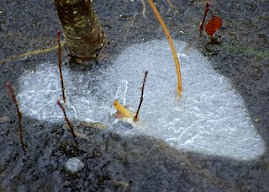
The Egg Rolls on...
take a look at the egg shape on the right, the one that looks like ... well nothing much. Then tap out something and send it in.....Is that clear or what? NOWW explains below.
News NOWW challenges NOWW members to write a dramatic, snappy postcard story (250 – 500 words long, not including the title) that relates to the image. The relationship can be as tangential as you like, so long as there is some clear connection to the image.
Deadline: November 30th, 2009.
Submit your creation by email attachment to newsnoww@yahoo.ca; or mail it to
NOWW Postcard Story
c/o 55 Crown St., Apt. 2,
Thunder Bay ON P7B 3J8.
We will publish the cleverest, liveliest, most surprising submission(s) in our January newsletter. Writers of stories published will be paid an honorarium.
News NOWW challenges NOWW members to write a dramatic, snappy postcard story (250 – 500 words long, not including the title) that relates to the image. The relationship can be as tangential as you like, so long as there is some clear connection to the image.
Deadline: November 30th, 2009.
Submit your creation by email attachment to newsnoww@yahoo.ca; or mail it to
NOWW Postcard Story
c/o 55 Crown St., Apt. 2,
Thunder Bay ON P7B 3J8.
We will publish the cleverest, liveliest, most surprising submission(s) in our January newsletter. Writers of stories published will be paid an honorarium.
Subscribe to:
Posts (Atom)




























































.JPG)